[Please be advised that these attractions require a fair amount of walking, and that the Whale Museum requires navigation of some number of stairs.]
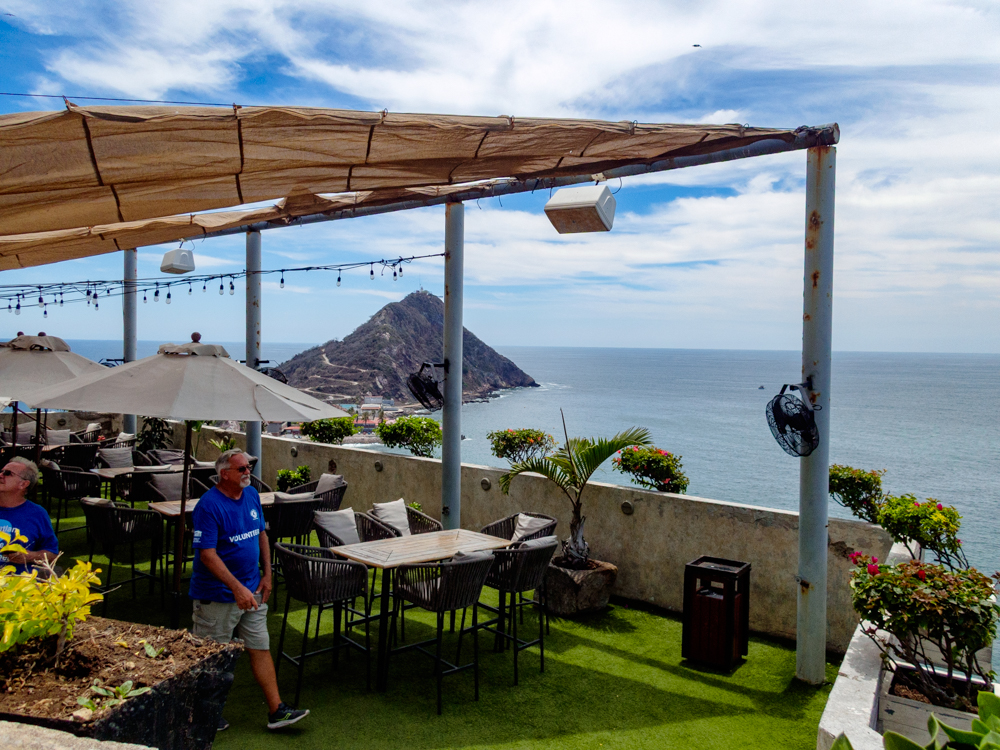
The Observatorio Mazatlán 1873 is a historic hilltop site originally established as a military lookout and later transformed into a weather observatory in the 19th century. Perched atop Cerro del Vigía, it offers panoramic views of Mazatlán and the Pacific Ocean. Today, it serves as a cultural and ecological attraction featuring beautifully restored architecture, botanical gardens, and a funicular railway. Visitors can explore exhibits on the region’s natural history, enjoy scenic sunsets, and learn about the site’s scientific and military past, making it a unique blend of history, nature, and tourism. Also accessible is The Museo Nacional de la Ballena ...
The Museo Nacional de la Ballena (MUNBA) in Mazatlán is a groundbreaking cultural and scientific center dedicated to the conservation and understanding of whales and their marine environment. Located atop Cerro del Vigía within the Observatorio 1873 park, MUNBA features 12 interactive exhibition halls, including immersive multimedia experiences and one of Latin America's most extensive collections of cetacean skeletons, with over 30 real specimens . Designed by architect Alejandro D’Acosta, the museum's innovative structure incorporates recycled maritime containers and a distinctive black-and-white geometric pattern inspired by World War I naval camouflage, reflecting its commitment to sustainability . MUNBA serves not only as an educational space but also as a hub for scientific research and conservation initiatives, offering programs like "Un, dos, tres por mí y todos los océanos" to engage local communities and schools in marine preservation efforts . Open from Tuesday to Sunday, 10:00 AM to 6:00 PM, the museum invites visitors of all ages to explore the vital role of whales in ocean ecosystems and the broader implications for planetary health.